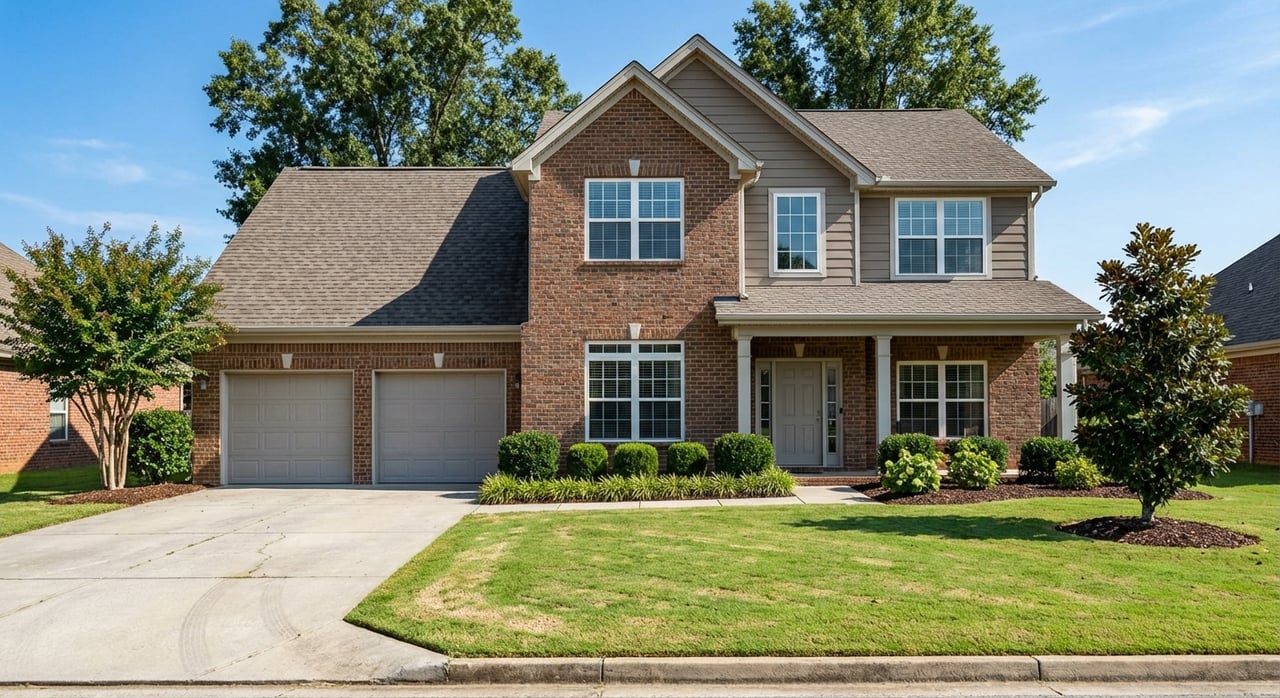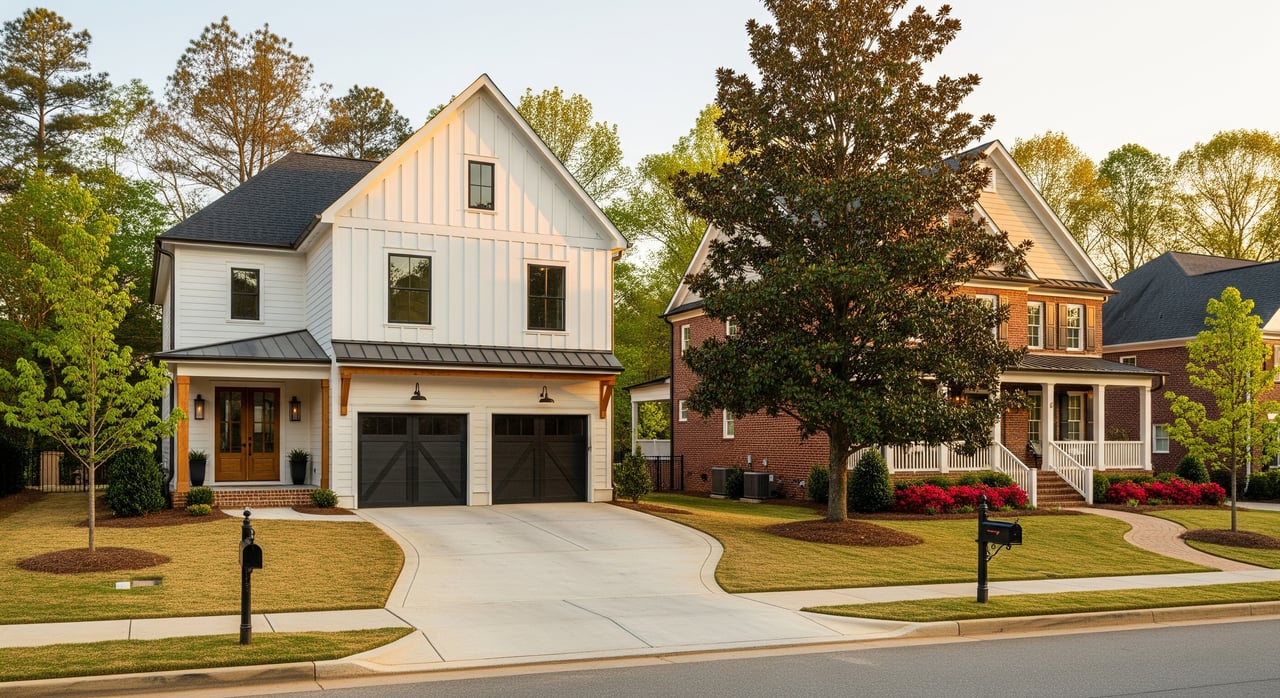
Thinking about a brand‑new build versus a resale home in Douglasville? You’re not alone. Both paths can work well here, but the right choice depends on your budget, timeline, and appetite for projects after closing. In this guide, you’ll learn how prices, incentives, timelines, inspections, and warranties compare so you can make a clear, confident decision. Let’s dive in.
Douglasville market context
Douglasville sits on the west side of Metro Atlanta in Douglas County. You’ll find a mix of established neighborhoods and active new subdivisions, and demand often tracks commute access and nearby amenities. Because micro‑markets vary by subdivision and even by block, it’s smart to base your plan on current, hyper‑local data.
For up‑to‑date numbers, look to:
- City and county planning or permitting for new subdivisions and building activity.
- Local MLS data for median prices, days on market, and inventory in your target neighborhoods.
- Douglas County Tax Assessor records for parcel details and tax history.
- Regional market updates from professional associations.
- Builder sales centers and community managers for standard features and current incentives.
Tip: Ask for a current snapshot before you compare homes. You want the latest pricing, inventory, and mortgage rate context when you run the numbers.
Price vs. total cost
You’ll often see new construction listed at a premium per square foot compared to similar resales. That difference reflects new materials, modern layouts, and developer costs. The actual gap in Douglasville can vary widely by builder, lot, and location, and it may narrow once you factor in incentives.
Incentives that change the math
Builders frequently offer closing cost help, interest rate buydowns, or discounted upgrades. Some packages apply to specific inventory homes or end‑of‑quarter closeouts. Resale sellers may offer concessions too, depending on market strength. Convert incentives into an equivalent price impact so you can compare apples to apples.
Keep in mind:
- A rate buydown lowers your monthly payment in a different way than a price reduction. Look at both the payment and total interest over time.
- Many builder incentives require using a preferred lender or closing attorney. Compare the net cost and terms to what independent lenders can offer.
Beyond the sticker price
Your real monthly cost includes more than the purchase price. In Douglasville’s new subdivisions, HOA dues are common, and newer assessments can increase as communities build out. Resales may have lower near‑term taxes but can require immediate repairs or updates.
- Upfront costs: new builds can include deposits for options and upgrades, while resales often involve inspection repairs or credits.
- Closing costs: builders may contribute to closing costs or offer paid upgrades. Resale sellers might help too if the market allows.
- Carrying costs: factor mortgage, taxes, insurance, and HOA dues.
- Long‑term maintenance: new homes usually mean fewer near‑term repairs and better energy efficiency. Older resales can have near‑term capital items like roofs or HVAC.
Quick comparison checklist
Use this to build a true side‑by‑side estimate:
- Base price vs. net price after incentives or concessions.
- Interest rate and payment with and without buydown.
- Estimated taxes, insurance, and HOA dues.
- Immediate repair or upgrade costs in year one.
- Five‑year maintenance outlook for roof, HVAC, appliances, and systems.
Condition and inspections
The biggest difference you’ll notice is condition at move‑in, but every home should be inspected. Even a brand‑new home benefits from an independent set of eyes.
What to expect with new construction
New homes should meet current codes and typically offer modern, energy‑efficient systems. Most issues are punch‑list items, finishing details, or settling and grading that show up after a few months. Plan for a detailed pre‑close walkthrough and a follow‑up visit after you move in.
New‑build inspection focus:
- Structural and site: slab or foundation cracks, proper grading away from the home, and setbacks or easements per the plat.
- Exterior: siding, brick, flashing, window and door installation, roof and underlayment, gutters, and stormwater routing.
- Mechanical: HVAC startup and documentation, condensate drainage, water heater sizing and venting, plumbing fixture quality and pressure.
- Electrical: correct breaker labeling, GFCI/AFCI protection, and smoke/CO detector placement.
- Interior finishes: drywall and paint quality, flooring transitions, cabinet and trim alignment.
- Energy and insulation: R‑values per code and specs, air and duct sealing at penetrations.
- Documentation: manuals, spare filters, and warranty registration.
- Punch list: agree on process, timing, and who handles each item.
What to expect with resale homes
Condition varies widely. The tradeoff for a lower price or larger lot might be near‑term updates or maintenance. Older homes can deliver character and mature landscaping, but you want clarity on big‑ticket items before you commit.
Resale inspection focus:
- Roof: age, condition, and expected remaining life.
- Foundation and moisture: water intrusion in basements or crawlspaces.
- HVAC: age, service history, and replacement timeline.
- Electrical: panel capacity and wiring types in older homes.
- Plumbing: pipe materials, main line condition, and any leaks.
- Termites and pests: history and recent treatments common to Georgia’s climate.
- Water damage and mold: signs of past issues or repairs.
- Appliances and built‑ins: what stays and current condition.
- Permits: verify permits for prior renovations with the county when applicable.
Pro tip: For both new and resale, consider specialist inspections when age or condition suggests a closer look.
Timelines, financing, and appraisal
Your timeline can be a deciding factor. If you need to move quickly, a completed inventory home or a well‑maintained resale may fit better than a to‑be‑built plan.
Typical timelines
- Resale: 30 to 45 days from contract to close is common, depending on financing, title, and inspections.
- New construction:
- Completed spec home: similar timing as resale once the certificate of occupancy is issued.
- To‑be‑built or semi‑custom: several months to a year, depending on builder pipeline, weather, inspections, materials, and change orders.
Financing options
- Resale: conventional, FHA, VA, or USDA programs as eligible.
- New construction: construction‑to‑permanent loans, end loans for spec homes, or builder‑arranged mortgages. Incentives like rate buydowns often tie to a preferred lender. Make sure you compare loan estimates and total costs.
If you plan to use FHA or VA with a new build, confirm documentation requirements and timing early with your lender.
Appraisals and comps
New homes in areas with mostly older resales can run into appraisal gaps if comparable sales trail current builder pricing. If an appraisal comes in low, solutions may include a price adjustment, builder concessions, or bringing additional cash. For resales, appraisals hinge on very recent comparable sales plus condition and upgrade adjustments.
Contracts, contingencies, and warranties
Builder contracts are different from standard resale agreements. Read carefully and get professional guidance before signing.
What to watch in builder contracts
- Base price vs. options: how options are quoted, when selections lock, and when deposits are due.
- Change orders: approval process, pricing, and impact on schedule.
- Completion dates: what counts as a permissible delay, whether there are buyer remedies if the builder is late, and the role of the certificate of occupancy.
- Financing contingency: some builder forms limit or exclude it. Understand your risk if a loan falls through.
- Inspection and punch list: what inspections you can do and how long the builder has to complete corrections.
- Earnest money: where deposits are held and when they are refundable.
- Title and closing: who chooses the closing attorney and who pays which fees.
- Default and dispute resolution: what happens if either party cannot perform, including arbitration clauses.
- HOA items: dues, initiation fees, developer control period, and any planned assessments.
Warranty basics for new construction
Most builders provide layered coverage:
- Workmanship and materials: typically the first year for finishes and minor defects.
- Systems: often 1 to 2 years for HVAC, plumbing, and electrical components.
- Structural: extended coverage for major structural defects, commonly up to 10 years.
Verify what is covered and excluded, start and end dates, whether the warranty is transferable, how to file claims, and who administers repairs. Keep records of required maintenance so claims are not denied.
After you move in
Document punch‑list items in writing and track communications. Plan a 6 to 12 month follow‑up inspection to capture settling issues. For resales, create a maintenance calendar for roof checks, HVAC service, and seasonal tasks so you stay ahead of wear and tear.
Which path fits your goals?
Choose new construction if you want modern design, lower near‑term maintenance, and the chance to personalize finishes. Consider resale if you value established neighborhoods, quicker closings, and potentially larger lots or mature landscaping. In Douglasville, both choices can be smart, and the best fit comes down to your budget, timing, and tolerance for projects.
A practical decision sequence:
- Define your monthly comfort number including mortgage, taxes, insurance, and HOA dues.
- Price out a new build two ways: with the builder’s preferred lender and with an independent lender. Compare total costs and payment with and without a buydown.
- If you like new construction, ask about completed or near‑complete inventory homes that may carry stronger incentives and faster closings.
- If you lean resale, order a thorough inspection and price near‑term repairs into your net comparison.
- Have an experienced real estate professional and, when appropriate, a real estate attorney review contracts before you sign.
You deserve a clear, step‑by‑step plan and an advocate who keeps the process on track. If you want a tailored comparison for specific Douglasville neighborhoods, reach out to Kelli Adams for local guidance and a side‑by‑side cost analysis.
FAQs
Are new homes cheaper to operate in Douglasville?
- New builds typically include modern insulation, efficient HVAC, and new appliances, which often lower near‑term utility and maintenance costs compared to older resales.
Can you negotiate with builders in Douglasville?
- Yes, especially on spec or inventory homes and near month or quarter end, and you can often trade flexibility or use of a preferred lender for incentives.
Should you get an independent inspection on a new build?
- Yes, schedule a pre‑close inspection and a 6 to 12 month follow‑up to catch punch‑list items and settling issues after move‑in.
What if the appraisal is lower than the contract price on new construction?
- Options include a price adjustment or concessions from the builder, the buyer bringing cash to cover the gap, or disputing the appraisal with additional comparable sales.
What hidden costs do buyers miss on new builds?
- Common items include upgrade options, window coverings, landscaping or irrigation, fencing, certain appliances, higher property taxes as assessments update, and HOA dues or initiation fees.