Torn between the energy of intown Atlanta and the breathing room of the north suburbs? You are not alone. Both offer great lifestyles, but they fit different priorities, budgets, and daily routines. In this guide, you will learn how they compare on lifestyle, home types, commute, schools, costs, and risk so you can choose with confidence. Let’s dive in.
Lifestyle fit
Intown Atlanta: energy and access
Intown neighborhoods like Midtown, Virginia‑Highland, Inman Park, Old Fourth Ward, and Buckhead offer an urban to urban‑edge feel. You get higher walkability, dense dining and retail, parks, and cultural amenities like museums and theaters. Nightlife is more active, and drives to Downtown and Midtown job centers are shorter.
North suburbs: space and community
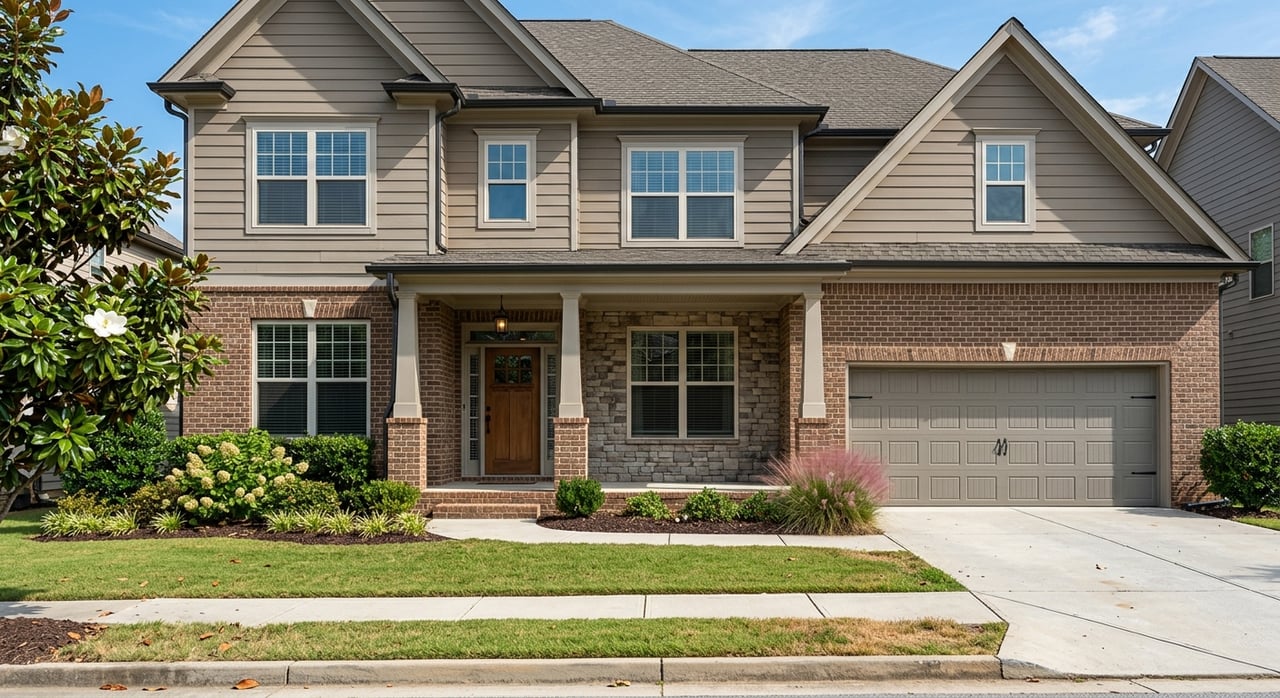
Northern suburbs such as Sandy Springs, Roswell, and Alpharetta lean suburban or suburban‑urban. You will find more single‑family neighborhoods, planned communities, and larger yards. Retail is often in shopping centers and mixed‑use hubs like Avalon, with plenty of family‑oriented amenities and programming.
Home types and space
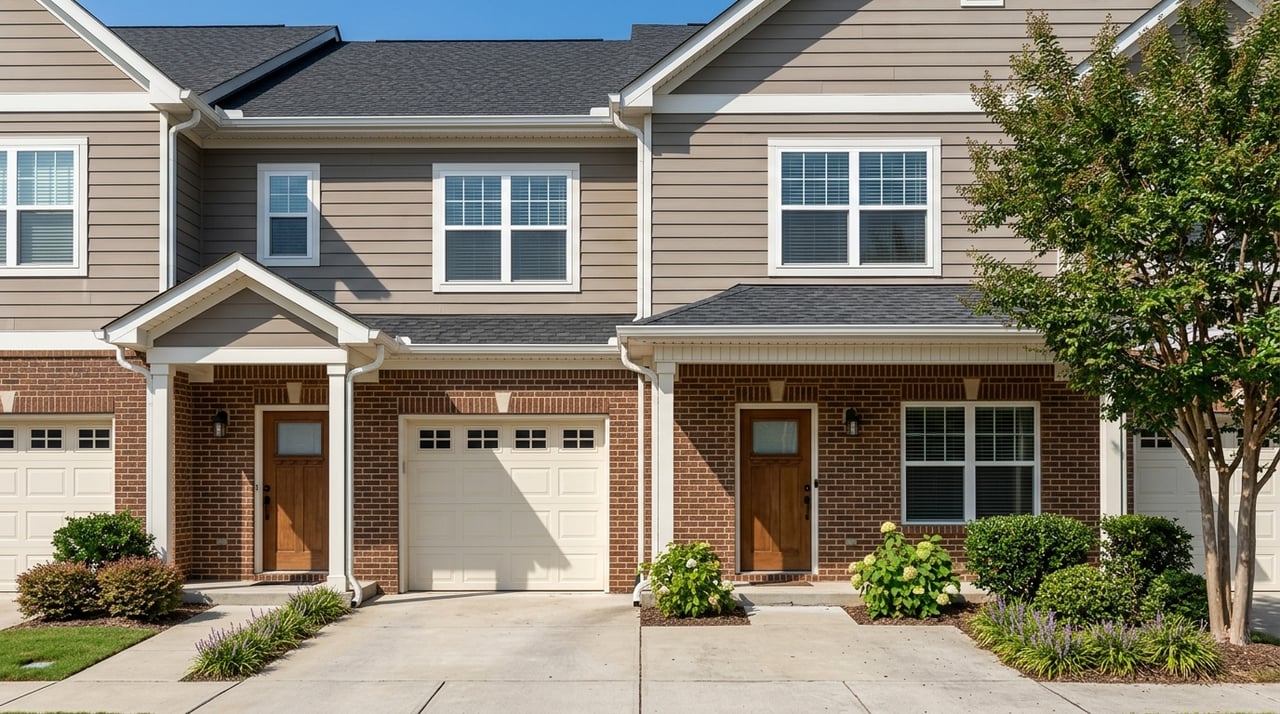
- Intown: Expect more condos, lofts, townhomes, and historic bungalows on smaller lots. Many homes are older, and renovation or infill is common. You trade larger indoor and outdoor space for proximity to amenities.
- North suburbs: You will see larger single‑family homes, newer construction, and master‑planned subdivisions. Multi‑car garages, finished basements in some areas, and HOA‑managed amenities are more common.
Budget and value
- Intown: Price per square foot often runs higher in centrally located neighborhoods because land is scarce and walkability is in demand. You may pay a premium for location and lifestyle rather than pure size.
- North suburbs: You typically get more square footage and larger lots for the same budget. Newer construction can carry premiums in sought‑after communities.
When you compare, look beyond the purchase price. Include property taxes, insurance, HOA or condo fees, commuting costs, and utilities to see the full monthly picture.
Commute and mobility
- Intown: You are closer to Downtown and Midtown. Many neighborhoods have access to MARTA heavy rail and bus service, along with cycling options and walkable errands. Parking can be limited or paid, depending on the building or street.
- North suburbs: Daily drives often use GA‑400, Roswell Road, and I‑285, with heavier congestion during peak hours. MARTA rail reaches the northern end of Fulton at North Springs and Sandy Springs stations, and express bus or commuter services operate in some corridors. Homes typically include garages and easier parking.
If commute is critical, map your route during rush hours and compare drive times with transit schedules for your exact address.
Schools and services
School assignments and performance vary by specific address. Intown neighborhoods are generally served by Atlanta Public Schools, with charter and magnet options. Many north Fulton suburbs fall under Fulton County Schools. Both areas have private and specialty options. Always confirm the district and attendance zone, and review current school report cards before you decide.
Healthcare, cultural institutions, and specialized services are often closer intown. Suburban areas offer robust parks, recreation, and youth sports programming.
Taxes and fees
Property taxes reflect assessed value and local millage rates, which differ by city, county, and school district. Homestead exemptions and other programs can reduce bills if you qualify. Intown condos often have higher monthly HOA fees that cover building maintenance, insurance, and amenities. Suburban HOA dues vary widely based on amenities like pools, trails, and common‑area upkeep.
Risks and future change
Localized flooding occurs across the metro. Intown corridors and river‑adjacent suburbs near the Chattahoochee can be more vulnerable, so check FEMA flood maps for any property you consider. Intown areas often see more redevelopment and construction activity, which can bring noise and change. Suburbs experience incremental growth and traffic increases over time. Regional road improvements and transit planning can shift commute patterns and neighborhood desirability, so review current and planned projects for your commute.
Decision checklist
Use this simple framework to compare two addresses side by side.
- Commute: Drive your route at rush hours and review MARTA or commuter bus options where available.
- Budget: Tally purchase price, property taxes, insurance, HOA or condo dues, utilities, and commuting costs like fuel and parking.
- Space and layout: Set minimum needs for square footage, bedroom count, outdoor space, and parking.
- Schools: Confirm the district and attendance boundaries for the address and review official report cards.
- Lifestyle: List your must‑haves like parks, dining, gyms, and healthcare. Check walkability and short‑drive times.
- Noise and privacy: Visit at different times of day and on weekends to gauge traffic and ambient sound.
- Flood and environmental risk: Review FEMA flood maps and local stormwater information.
- HOA and covenants: Read the bylaws and rules for restrictions on renovations, rentals, and pets.
- Future development: Check city planning and zoning maps for pending projects near the property.
- Resale: Ask for recent neighborhood comparisons to understand days on market and price patterns.
What this means for you
Choose intown if you value walkability, cultural access, and shorter trips to central job centers, and you are comfortable with smaller lots and potential condo fees. Choose the north suburbs if you want more square footage, newer construction, larger yards, and neighborhood amenities, and you are comfortable with a car‑forward lifestyle and longer peak‑hour drives.
If you are still torn, test two or three finalists with the checklist. A single weekend of drive tests, school verification, and HOA review can bring real clarity.
Ready to compare specific addresses and understand the tradeoffs for your lifestyle and budget? Reach out to Kelli Adams to map commutes, verify school zones and fees, and review recent neighborhood sales so you can move forward with confidence.
FAQs
Will I save money by moving to the north suburbs of Atlanta?
- Suburban homes often deliver more square footage and outdoor space per dollar, while intown buyers typically pay a premium for location and walkability; include taxes, HOA or condo fees, and commute costs in your total budget.
Which option offers a shorter commute to Downtown or Midtown Atlanta?
- Intown addresses are generally closer and often have better access to MARTA rail and bus service; northern suburbs rely more on GA‑400, I‑285, and express buses, which can add time during peaks.
How do HOA and condo fees compare in Atlanta versus the north suburbs?
- Intown condos commonly carry higher monthly fees that cover building maintenance, insurance, and amenities; suburban HOA dues vary widely and often fund neighborhood amenities and upkeep.
Are there walkable areas in the northern Fulton suburbs?
- Yes, several suburbs feature town center or mixed‑use areas with dining and retail, although overall walkability is generally lower than intown neighborhoods.
How should I evaluate schools when choosing between intown Atlanta and the north suburbs?
- Verify the district and attendance zone for the exact address, then review current state report cards; both areas offer a range of public, charter, magnet, and private options.
What risks should I check before buying in Atlanta or the north suburbs?
- Review FEMA flood maps, visit the property at different times for noise and traffic, and check city planning sites for future road, transit, or redevelopment projects that could affect daily life and resale.