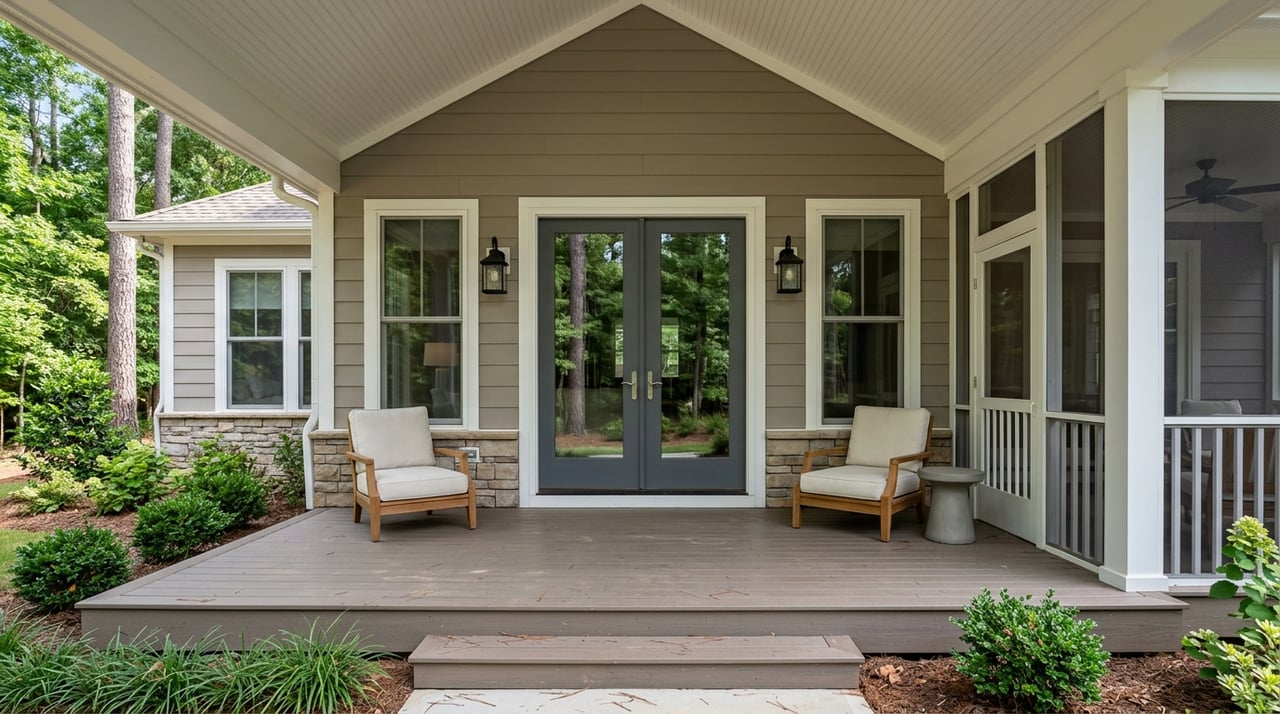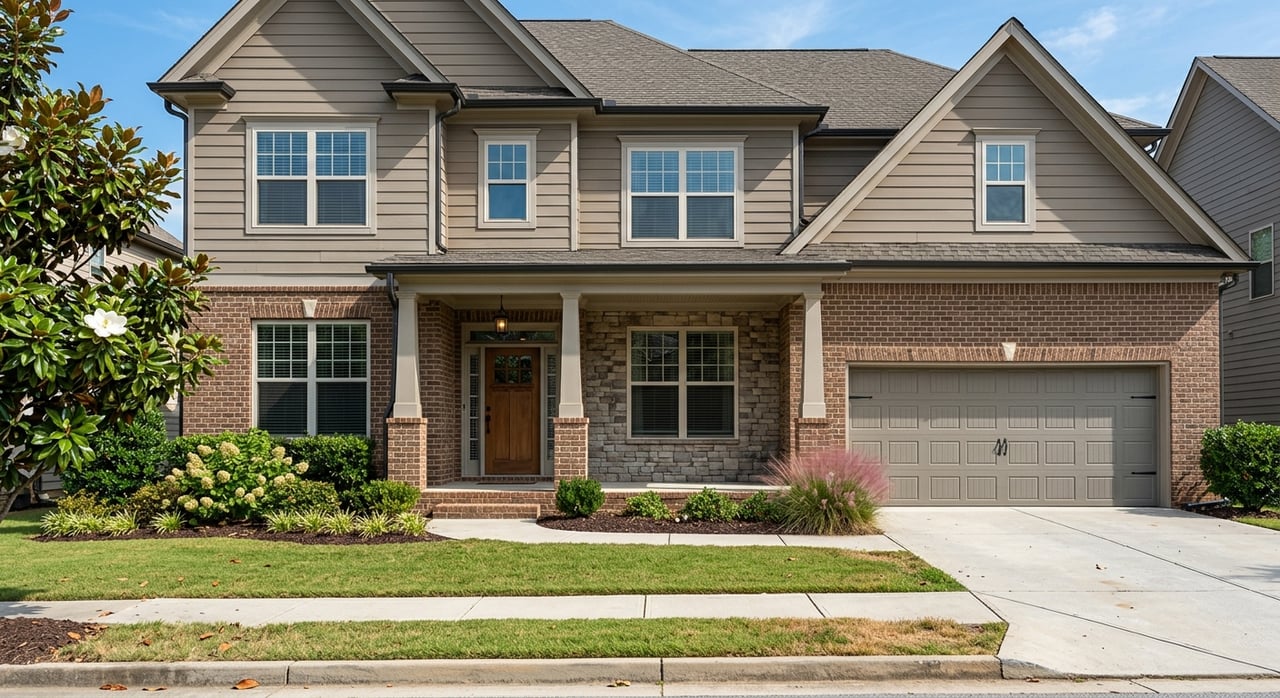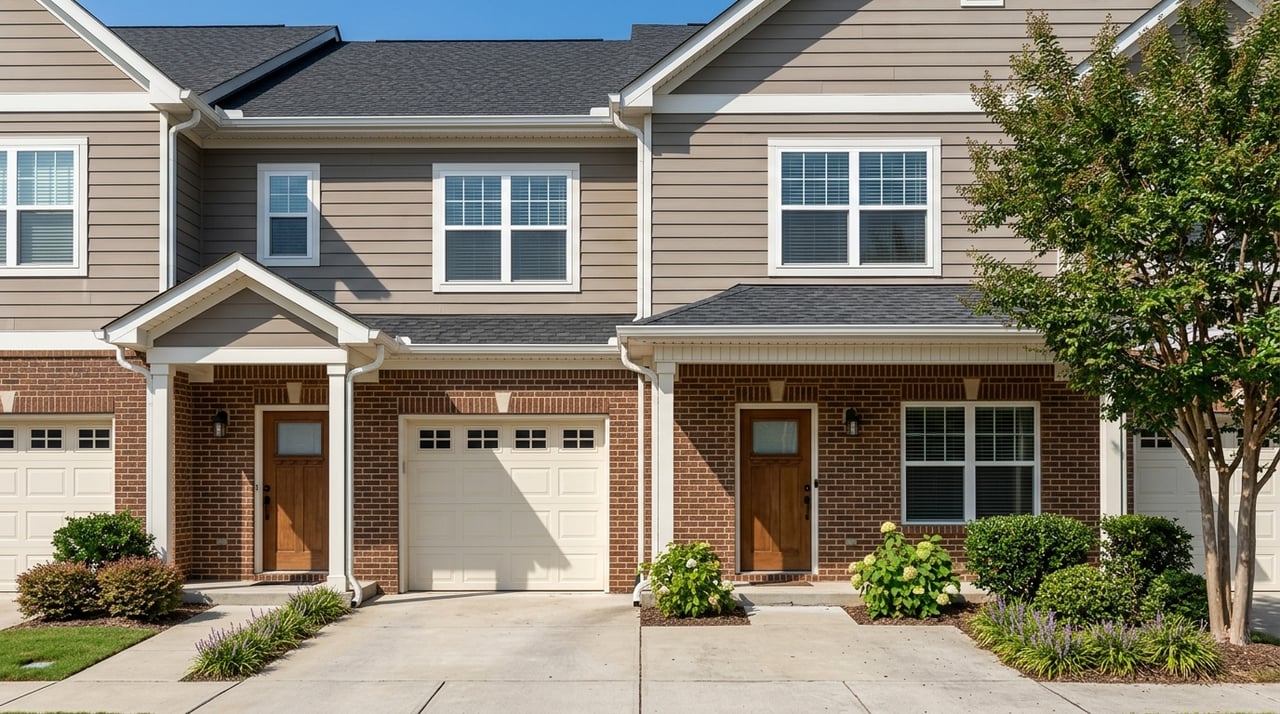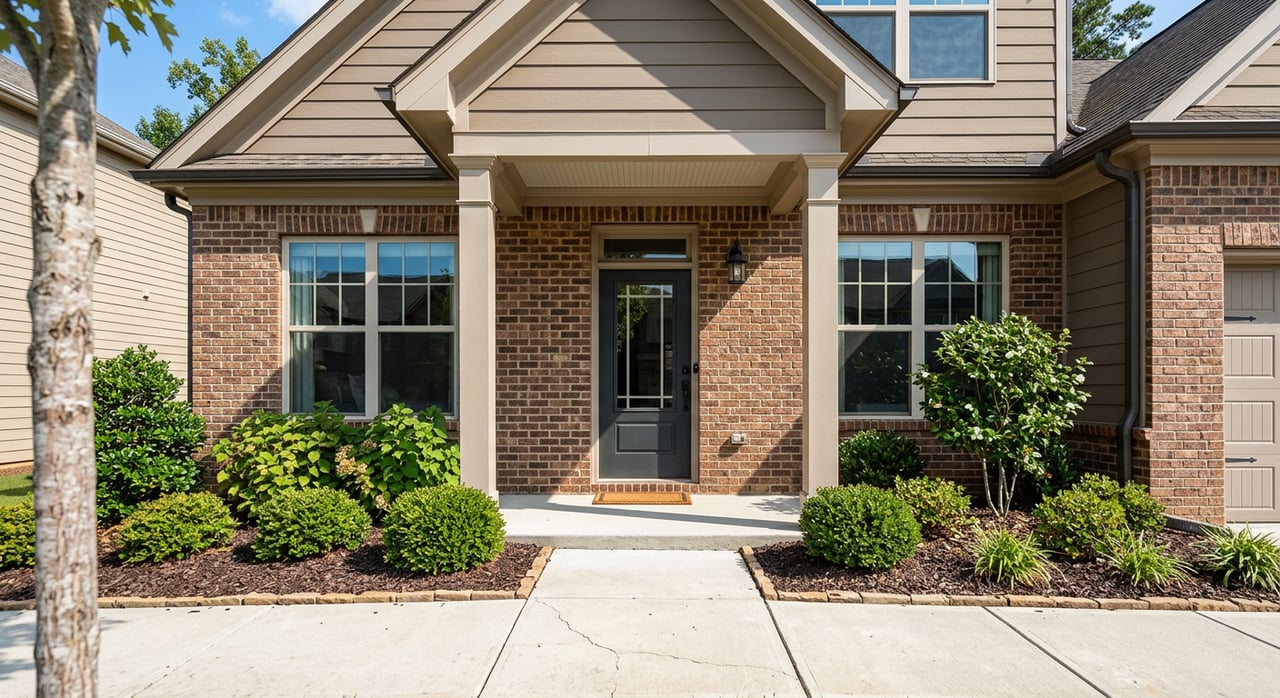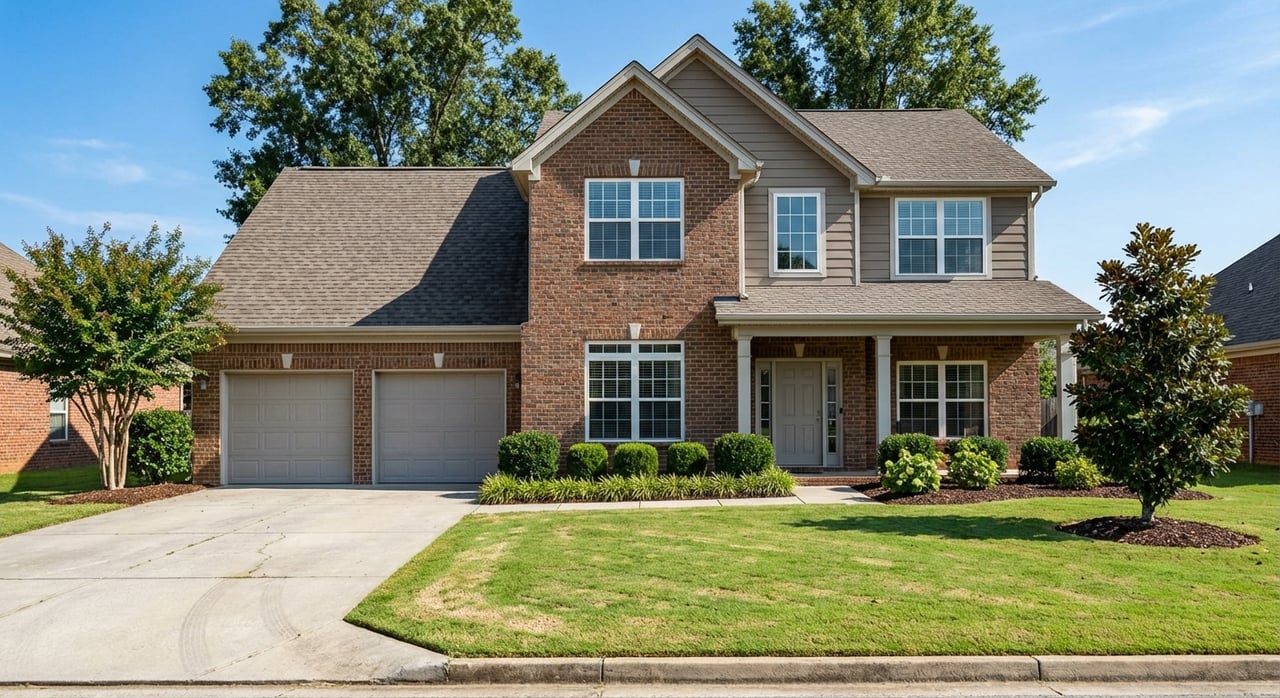
Buying your first home in Fairburn can feel exciting and a little overwhelming. You want clear numbers, plain‑English steps, and local insight so you can move with confidence. In this guide, you’ll see 2026 price ranges, what different home types really cost, a worked monthly budget, and how to tap Georgia down‑payment help. Let’s dive in.
Fairburn market at a glance (2026)
Fairburn sits in the lower‑to‑mid price tier of the Atlanta metro for single‑family homes. Public trackers report a median sale price around $340,000 as of Jan 2026 (Redfin) and some ZIP‑level medians near $380,000 to $390,000 (Realtor.com). Local inventory and days‑on‑market have been moderate into late 2025 and early 2026, with steady but modest price gains. For current trend context, review a live market snapshot from Rocket Homes’ Fairburn report.
What your budget buys in Fairburn
Use these starter price bands to frame your search. Always verify with live listings in ZIP 30213 and nearby areas.
- Entry starter (about $200,000 to $300,000). Older, smaller single‑family homes, some townhomes, or properties that need updates. Lower price, limited inventory.
- Mid starter (about $300,000 to $400,000). Many 3‑bed/2‑bath homes with modest yards, plus some newer infill builds. This is the most common range for first‑time single‑family buyers.
- Upper starter/newer builds (about $400,000 to $600,000+). Larger new construction with modern finishes, builder warranties, and HOA amenities. Higher price, lower near‑term maintenance.
Prices above are directional as of Jan 2026 based on major public trackers. Your exact options will vary by neighborhood, lot size, and condition.
Older homes vs new builds vs townhomes
A quick side‑by‑side can help you choose the right path for your budget and risk comfort.
| Option | What you get | Watch for | Ongoing costs |
|---|---|---|---|
| Older single‑family (pre‑1980s–1990s) | Lower purchase price, mature lots, simpler layouts | Near‑term capital for roof/HVAC/electrical/plumbing or cosmetic work | Budget 1%–3% of value per year for maintenance; higher utility usage possible |
| Newer subdivisions/new builds (2000s–2020s) | Modern layouts, energy‑efficiency features, builder warranty, smaller lot care | Higher price per square foot, HOA rules/fees | Lower early‑years repairs; HOA dues apply |
| Townhomes/attached | Predictable, lower yard work; some exterior coverage via HOA | Confirm exactly what HOA covers, reserve levels, and insurance | Monthly HOA dues; often stable maintenance profile |
Tip: Newer homes often reduce early repairs, while older homes can lower your upfront price. Run total cost, not just list price.
Budget the full cost
Upfront cash you’ll need
- Earnest money: commonly 1% to 3% of price, credited at closing.
- Down payment: FHA can be as low as 3.5% and some conventional first‑time programs allow 3%. Program rules and credit standards apply.
- Closing costs: typically 2% to 5% of price for appraisal, title, lender fees, and prepaids. Learn what’s included in this closing costs overview.
- Inspections: general inspection plus targeted checks as needed. Set aside $500 to $2,500 for due diligence and immediate fixes.
Monthly costs to plan for
- Mortgage principal and interest: model using the 30‑year fixed average. The Freddie Mac weekly average was about 6.1% in early Feb 2026. See the latest on the Freddie Mac PMMS.
- Property taxes: Georgia typically assesses at 40% of fair market value before applying local millage. See the 40% rule explained in this Georgia property assessment FAQ. For Fairburn, published components include the Fulton County general fund at 8.87 mills (per this county press notice) and a City of Fairburn municipal millage noted in the city’s finance FAQ. School millage also applies. Always confirm the exact combined millage for the specific parcel and year.
- Homeowners insurance: get quotes based on the home.
- Mortgage insurance: with less than 20% down, conventional PMI often runs about 0.3% to 1.5% of the loan per year. FHA loans use an upfront and annual mortgage insurance schedule. See this PMI primer from Fannie Mae’s YourHome.
- Maintenance: a simple rule is 1% to 3% of the home’s value per year depending on age and condition. Here’s a quick maintenance budgeting guide.
- HOA dues: varies widely. Confirm coverage and reserves before you buy.
Worked 2026 example: $350,000 purchase
Assumptions for illustration only. Always run precise numbers with your lender and the actual property taxes and insurance.
- Price: $350,000
- Down payment: 3.5% ($12,250)
- Loan amount: $337,750
- Rate: 6.1% 30‑year fixed (Freddie Mac weekly average, early Feb 2026)
- Monthly principal and interest: about $2,048
- Property tax estimate: assessed value is 40% of $350,000 = $140,000. Using a combined example millage of about 35.516 mills yields about $4,972 per year, or about $414 per month. This uses Georgia’s 40% assessed ratio and published local millage examples. Confirm parcel‑specific millage before relying on this estimate.
- Homeowners insurance example: $1,200 per year, about $100 per month
- PMI example: 0.7% annual on the loan, about $2,364 per year, or about $197 per month
Illustrative total monthly (PITI + PMI) is roughly $2,759. Your number will shift with rate, taxes, insurance, and PMI.
Smart contingencies and inspections
Keep standard protections in your offer: financing, appraisal, inspection, clear title, and HOA document review when applicable. In a moderately competitive market, some buyers shorten timelines, but first‑time buyers are usually safer keeping inspection and appraisal protections. If you adjust terms for competitiveness, understand the risks and set a repair budget.
For older homes, order a full home inspection that covers structure, roof, HVAC, and electrical. Add termite/wood‑destroying organism and sewer/septic checks where relevant. For homes built before 1978, expect a lead‑based paint disclosure and consider testing if needed under applicable contract rules.
Down payment help you can use
- Georgia Dream (state program). The Georgia Department of Community Affairs offers down‑payment assistance for eligible first‑time buyers. Income, price caps, and participating lenders apply. Review details on the Georgia Dream program page.
- Fulton County Homeownership Program (HOP). Fulton County provides forgivable or deferred second‑mortgage assistance for eligible buyers. Property location rules and lender participation apply. Start with the Fulton HOP information page. Confirm whether your specific Fairburn address is eligible before you write an offer.
How to stack and time assistance
Pre‑qualify with a participating lender for Georgia Dream or HOP early. Use the Georgia Dream overview to find program basics.
Complete required homebuyer education or counseling as soon as possible. HOP outlines steps on its program page.
Once under contract, have your lender reserve assistance funds and align timelines with underwriting.
Coordinate appraisal language and closing dates so agency timelines do not delay your closing.
Your step‑by‑step game plan
- Check affordability. Model 2 to 3 PITI scenarios using today’s 30‑year average from the Freddie Mac PMMS.
- Get full pre‑approval. If you want DPA, choose a lender who participates in Georgia Dream and Fulton HOP.
- Shop by total cost, not just list price. Compare an older home versus a newer build or a townhome using the table above.
- Keep inspection and appraisal contingencies. Right‑size your timelines, then plan an inspection budget.
- Reserve DPA funds promptly after going under contract. Ask your lender to run the reservation in parallel with underwriting to avoid delays.
- After closing, file your homestead exemption on time with Fulton County. This Fulton County property tax guide outlines timing and contacts.
If you want a clear plan tailored to your numbers and timeline, reach out. You’ll get local search strategies, sample budgets, and a step‑by‑step path to keys in your hand.
Ready to start? Connect with Kelli Adams to map your Fairburn starter‑home game plan.
FAQs
What is a realistic Fairburn starter‑home budget in 2026?
- Many first‑time buyers target $300,000 to $400,000 for single‑family homes, with older or smaller options below $300,000 and newer builds often above $400,000. Always confirm with live listings.
How much cash do I need to buy a $350,000 home?
- Plan for 3% to 3.5% down if using low‑down programs, plus 2% to 5% for closing costs and $500 to $2,500 for inspections and early fixes. Your lender will provide a Loan Estimate.
How do Fairburn property taxes work for a new buyer?
- Georgia generally taxes 40% of the home’s market value, then applies county, city, and school millage rates. File your homestead exemption after closing to reduce the first eligible bill.
Which inspections are must‑do on older Fairburn homes?
- Get a full home inspection, plus termite/wood‑destroying organism and sewer/septic checks where relevant. Add specialist reviews if the inspector flags roof, HVAC, electrical, or foundation items.
Can I combine Georgia Dream with an FHA or conventional loan?
- Often yes, if you use a participating lender and meet program caps. Confirm stackability, timelines, and document needs with your lender before you write offers.