Thinking about trading yard work for convenience without giving up a strong Dunwoody location? Near Perimeter, condos and townhomes can offer a practical path into the market, especially if you want easier access to shopping, transit, and major employers. The key is knowing how attached living works here, what tradeoffs to expect, and which documents deserve a close look before you buy. Let’s dive in.
Why Perimeter draws condo and townhome buyers
Perimeter Center is one of the biggest reasons attached housing stands out in this part of Dunwoody. The city describes the area as a major regional activity center shaped by employers, retail, and ongoing redevelopment through its Edge City 2.0 vision. On the Dunwoody side, that includes Perimeter Mall, High Street, Ravinia, Terraces, Campus 244, and employers such as State Farm, IHG, Insight Global, and TriNet.
That kind of concentration tends to support demand for homes that are easier to lock and leave. If you want to live closer to work, reduce maintenance, or stay near everyday conveniences, condos and townhomes often fit that lifestyle well. In this part of Dunwoody, attached housing is not an afterthought. It is part of how the area functions.
Mixed-use growth supports attached living
Perimeter is also evolving through large mixed-use projects that make attached housing feel like a natural fit. The city says High Street is a $2 billion mixed-use destination near GA-400, I-285, and the Dunwoody MARTA station, with phase 1 including 600 apartments, retail, restaurants, office space, and a park.
Other nearby projects add to that same pattern. Ashford Lane is being redeveloped as a mixed-use town center around a large lawn, and Perimeter Marketplace includes a commuter trail segment and planned trail extension. For you as a buyer, that can mean better connectivity and more options for dining, errands, and getting around without always relying on a long drive.
Transit access is a major advantage
If commute flexibility matters, transit access is one of the clearest benefits of living near Perimeter. MARTA’s Dunwoody station sits on the Red Line and has a 575-space parking deck with free daily parking under 24 hours. Nearby Sandy Springs station has a larger deck with 1,050 spaces, though charges apply after the first 24 hours.
The city and Perimeter CIDs are also studying last-mile connectivity in the district, which supports broader walkability and bike access goals. That does not mean every condo or townhome community will feel equally walkable, but it does mean the area is being planned with mobility in mind. For many buyers, that is part of the value story.
What condo and townhome living looks like in Dunwoody
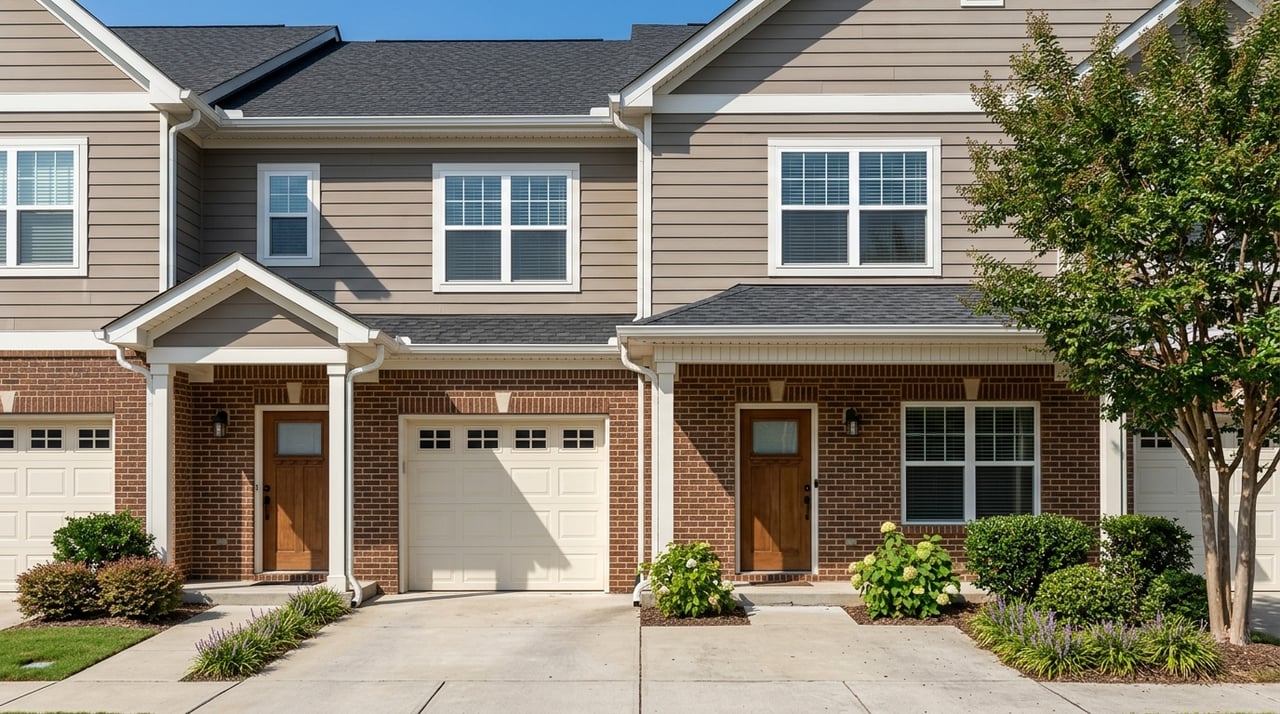
Attached housing plays a meaningful role in Dunwoody’s overall housing mix. According to the city’s housing profile, about 44% of housing units are detached, while 21.6% fall into missing-middle types such as townhouses, duplexes, or smaller apartment buildings. The same report notes that apartments are generally concentrated in Perimeter and along I-285, while single-unit attached housing often serves as a transition between those areas and detached neighborhoods.
That matters because it helps set expectations. In many cases, condos and townhomes near Perimeter offer a smaller private footprint than a detached home, but they may give you lower-maintenance living and better proximity to transit, shopping, and employment centers. If your priority is convenience over lot size, that tradeoff may feel well worth it.
Price can be an entry point
For budget-conscious buyers, attached homes may offer a more accessible starting point in Dunwoody. Current listing data shows Dunwoody condos on Redfin with a median list price of $324,000, while Redfin’s broader Dunwoody market page shows a February 2026 median sale price of $690,000.
That spread does not guarantee a condo or townhome will be the right value for you. Unit size, condition, parking, monthly dues, and the community’s financial health all affect the real cost of ownership. Still, for first-time buyers, downsizers, and buyers who want a strong location without stretching into a detached home price point, attached living near Perimeter deserves a serious look.
Older communities require closer review
One important detail in Dunwoody is housing age. The city’s housing profile says more than half of the housing stock was built between 1960 and 1989. In older condo and townhome communities, that makes upkeep, capital improvements, and reserve funding especially important.
A well-kept community can feel like a smart, efficient choice. But an older community with deferred maintenance can become more expensive over time through repairs or special assessments. If you are comparing options, the monthly dues alone never tell the full story.
Condo vs. townhome: what changes for you?
While every community is different, the biggest day-to-day difference usually comes down to ownership structure and shared responsibility. In a condo, unit boundaries and common elements are defined through the condominium declaration under Georgia’s Condominium Act. In many townhome communities, mandatory association rules may instead be governed through the Property Owners’ Association framework.
For you, that often affects who handles exterior maintenance, what parts of the property you truly control, and how expenses are shared. It can also shape insurance needs, repair responsibility, parking rights, and renovation limits. That is why the legal documents matter just as much as the floor plan.
HOA rules matter more than many buyers expect
With condos and townhomes, your lifestyle is partly shaped by association rules. Parking, rentals, pets, guest access, exterior maintenance, and use of common areas are often controlled by the governing documents rather than by the city.
Dunwoody’s tenant resources page makes that distinction clearer. The city can address some exterior and safety issues in condos and townhomes, but parking issues and purely cosmetic complaints are listed as non-enforceable city matters. In other words, many of the questions that affect your daily experience will be answered in the community rules, not at City Hall.
Documents to review before you buy
Before you commit to a condo or townhome near Perimeter, document review should be part of your due diligence. Georgia law requires certain condominium disclosures, and a buyer’s contract is voidable until at least seven days after those items are delivered, according to state law on condo disclosures.
You should review the community documents with your lender, attorney, and agent so you understand the costs and restrictions before closing. A strong review usually includes:
- Declaration
- Bylaws
- Rules and regulations
- Current budget
- Reserve funding information
- Insurance details
- Meeting minutes
- Special assessment history
- Rental restrictions
- Parking restrictions
For property owners’ associations, assessments can become a personal obligation and may also become a lien in favor of the association. That is one more reason to treat the HOA review as a major financial step, not a formality.
What helps resale near Perimeter
Resale value near Perimeter is closely tied to location and community health. The area continues to benefit from employer concentration, retail destinations, mixed-use development, greenspace investment, and mobility improvements described in the city’s Edge City 2.0 plan. Those factors can support long-term buyer interest.
But future resale is not just about being near Perimeter Mall or MARTA. A well-run association with adequate reserves, predictable dues, and reasonable rules is usually easier to explain to the next buyer than a community dealing with deferred maintenance or frequent special assessments. Convenience can attract attention, but community stability often helps close the deal.
Who attached living fits best
Condos and townhomes near Perimeter can work well for several types of buyers. If you are a first-time buyer, they may offer a more attainable entry point in Dunwoody. If you are downsizing, you may appreciate less exterior upkeep and easier access to shopping and dining.
They can also make sense if your priority is location efficiency. Living near major employers, retail, highways, and MARTA may matter more to you than having a larger yard or more private outdoor space. The right fit comes down to how you weigh convenience, recurring dues, space, and rules.
A smart way to evaluate your options
When you compare condo and townhome communities near Perimeter, focus on the full picture instead of just the list price. A lower purchase price can still become costly if dues are high, parking is limited, or the association is underfunded.
It helps to ask practical questions such as:
- What do the monthly dues cover?
- Are reserves funded at a healthy level?
- Have there been recent or pending special assessments?
- What are the parking rules for owners and guests?
- Are there rental caps or lease restrictions?
- Who handles exterior repairs and maintenance?
- How does the location connect to MARTA, major roads, and daily errands?
Those answers can tell you a lot about whether a home will work for your budget and lifestyle, both now and later.
If you are weighing condo or townhome living near Perimeter, the best move is to balance convenience with due diligence. The area offers real advantages, especially for buyers who want lower-maintenance living in a well-connected Dunwoody location, but the association details need to make sense alongside the price. If you want help comparing communities, reviewing the tradeoffs, or finding the right fit for your goals, connect with Kelli Adams.
FAQs
What makes condo and townhome living near Perimeter attractive in Dunwoody?
- Condo and townhome living near Perimeter appeals to many buyers because of access to major employers, Perimeter Mall, mixed-use redevelopment, and MARTA connectivity.
What is the price difference between condos and the overall Dunwoody housing market?
- Current listing data in the research shows Dunwoody condos at a median list price of $324,000, compared with a broader Dunwoody median sale price of $690,000, though individual value depends on size, condition, parking, and dues.
What documents should buyers review before purchasing a Dunwoody condo or townhome?
- Buyers should review the declaration, bylaws, rules, budget, reserve information, insurance, meeting minutes, special assessment history, and any rental or parking restrictions.
What does the HOA usually control in a Dunwoody condo or townhome community?
- The HOA or association often controls rules related to parking, rentals, pets, guest access, maintenance responsibilities, and common-area use.
What should buyers know about older condo and townhome communities in Dunwoody?
- Because much of Dunwoody’s housing stock was built between 1960 and 1989, buyers should pay close attention to upkeep, deferred maintenance, and reserve funding in older communities.
What supports resale potential for condos and townhomes near Perimeter?
- Resale potential is often supported by the Perimeter area’s access to jobs, shopping, transit, and ongoing mixed-use and mobility improvements, but a well-run association remains a major factor.