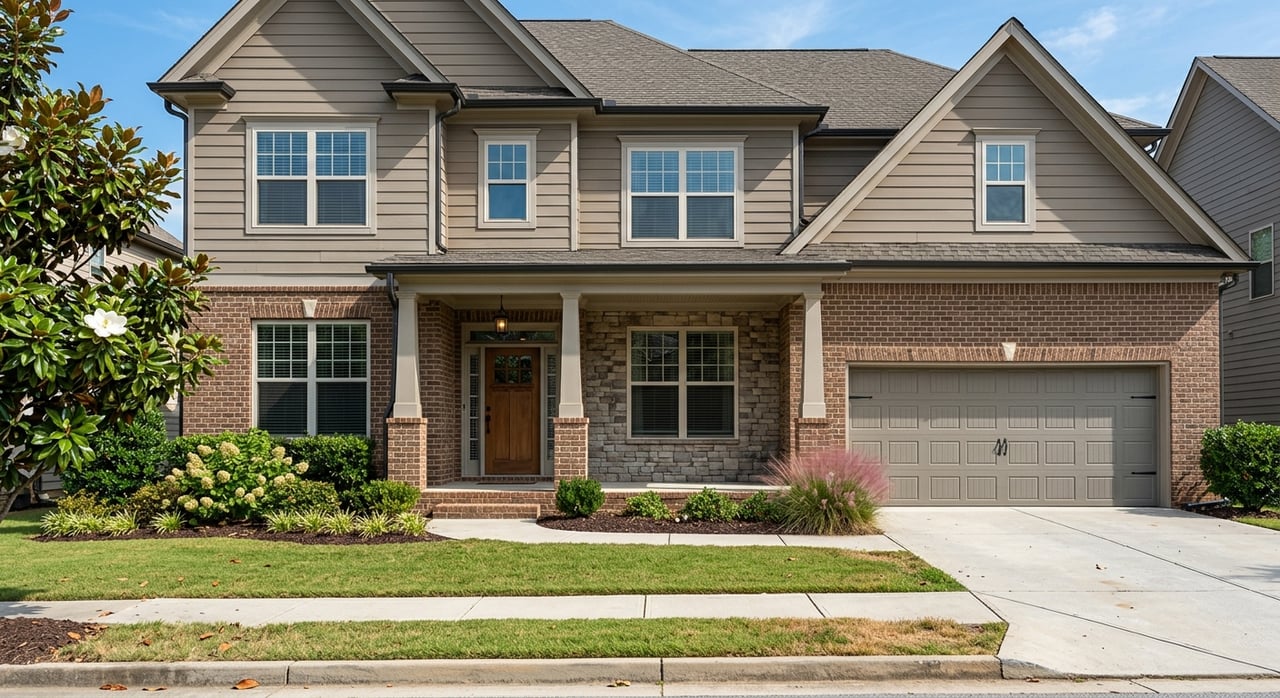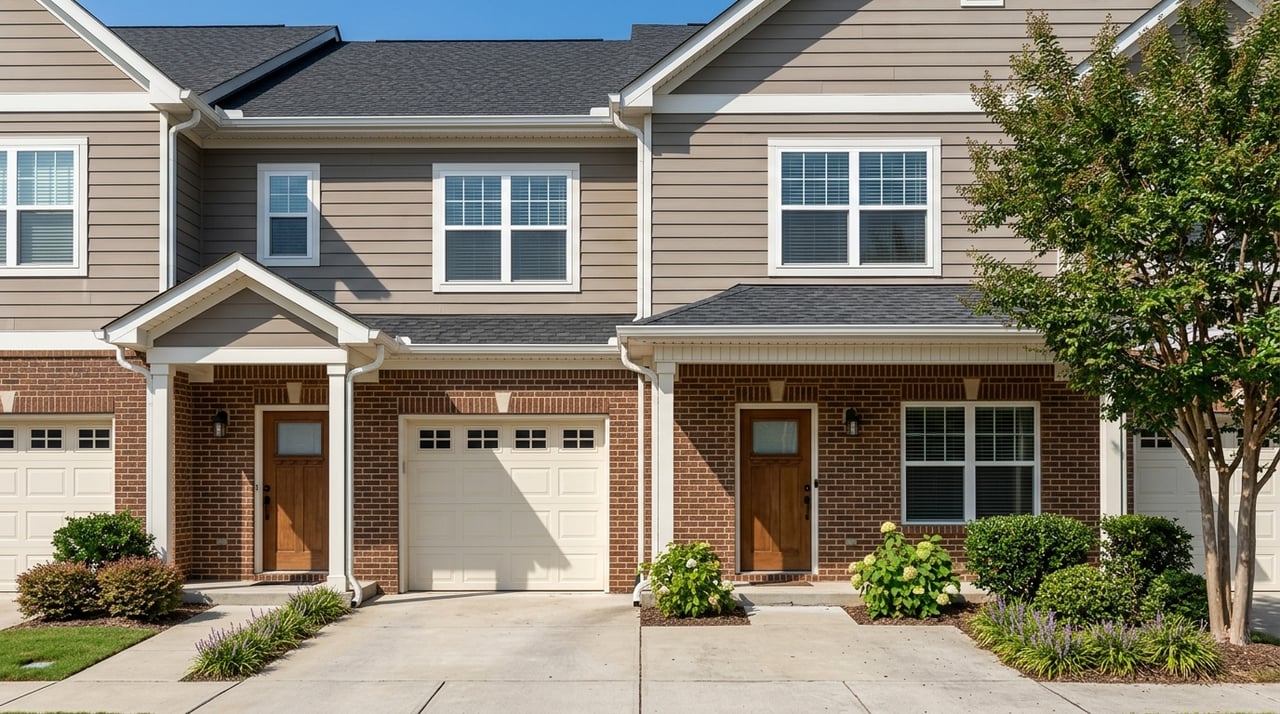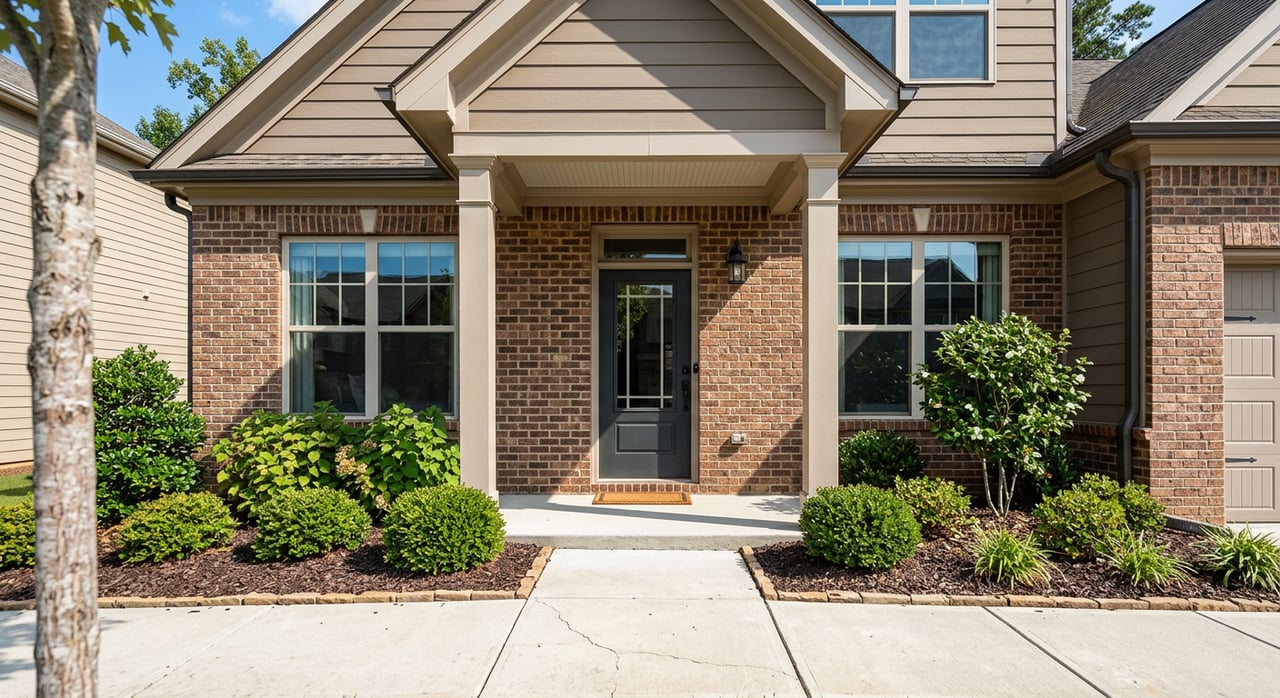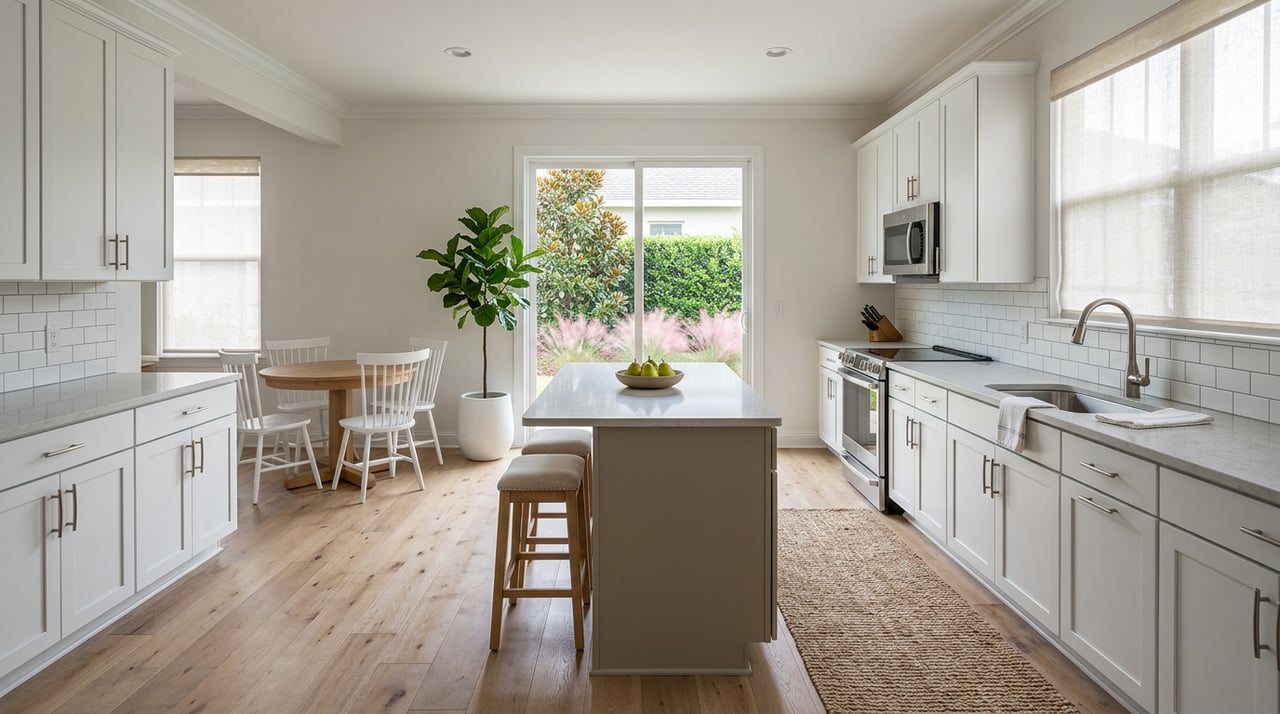
Thinking about selling your Douglasville home but unsure where to start? You are not alone. With buyers focused on value, commute time, and move‑in‑ready homes, the right plan can make all the difference. In this guide, you will get a clear, step‑by‑step roadmap from early prep through closing, tailored to Douglasville. Let’s dive in.
Douglasville market at a glance
Recent market snapshots show median prices across common sources ranging from the high $200,000s to the mid $300,000s, depending on whether you look at list or sold data and the month reported (late 2025 to January 2026). Inventory has been higher than the tightest recent years, and typical days on market often land in the mid 60s to low 70s. Conditions vary by neighborhood and by how move‑in‑ready a home feels. Use a current local CMA to anchor your pricing.
What buyers want right now
Buyer surveys continue to show strong demand for move‑in‑ready homes, practical locations, and clear agent support. According to national research, buyers value a good neighborhood fit and a home that feels ready to live in, which aligns well with Douglasville’s single‑family market and commute access preferences to metro Atlanta. You can review highlights from the latest buyer and seller profile on the NAR economists’ blog.
Your step‑by‑step plan
Below is a practical timeline many Douglasville sellers can follow. Your exact plan will flex based on your home’s condition, price point, and your timeline.
1) Pre‑listing assessment (1–3 weeks)
- Walk the property with your agent and flag safety and system items first. Consider targeted contractor checks of the roof, HVAC, and electrical panel, plus a sewer scope for older plumbing.
- In Georgia, wood‑destroying organisms are common. A seller‑side WDO inspection by a licensed pest company can prevent late surprises. Here is a helpful explainer on what a WDO inspection covers and why it matters in Georgia.
- If your home is in a crawlspace area, check for moisture and ventilation issues. Termite risk education from the University of Georgia Extension is a useful primer on subterranean and Formosan termites.
2) Pricing strategy & CMA (1–3 days once comps are ready)
- Use very recent sold comps and adjust for condition, lot, beds, baths, and square footage. Present a three‑point price band: aggressive, market, and conservative.
- Talk through tradeoffs. Aggressive pricing can shorten time on market in the first two weeks if the condition supports it. Conservative pricing can preserve leverage if you prefer fewer repairs or faster certainty.
3) Prep and presentation (2–6 weeks)
- Prioritize fixes that show up on inspections: roof leaks, plumbing leaks, electrical safety, HVAC service, and drainage at foundations.
- High‑ROI refreshes: neutral paint, decluttering, deep cleaning, bright bulbs, and curb appeal. Stage the main living areas for the best photos.
- Prepare a documentation packet for buyers. Include service records, warranties, HOA docs if applicable, and any pre‑listing inspection or WDO reports.
4) Marketing and showings (1–8+ weeks)
- Use professional photos, a simple floor plan, and a clear description that highlights commute access via I‑20 and I‑285, proximity to Arbor Place retail, and amenities favored by Douglasville buyers.
- Monitor early feedback and traffic. If showings lag in the first 1–3 weeks, discuss a pricing or presentation tweak quickly.
5) Offers, inspection, and due diligence
- Evaluate every term, not only price. Review financing strength, earnest money, inspection and appraisal terms, closing date, and any escalation language.
- Expect buyers to order a general home inspection. In Georgia, buyers often add a separate WDO inspection. Some buyers may request a sewer scope, roof certification, or a radon test. Douglas County sits in a moderate EPA radon zone, and testing is recommended.
6) Appraisal and underwriting
- If the buyer has a loan, plan on about 30–45 days for a typical conventional closing, and up to 60 days in some cases. Cash deals can close faster.
- Federal disclosure timelines apply, and appraisal or underwriting questions are common causes of delay. For a simple overview of closing timelines, see this guide on how long it takes to close a mortgage.
7) Closing
- The buyer completes the final walk‑through, then you sign, transfer keys, and funds disburse. Your agent and closing attorney coordinate the last‑mile details.
Douglasville inspection hot spots
Termites and WDO risk
Subterranean termites are part of homeownership in Georgia, and Formosan detections have been reported in the state. Learn how these pests behave and why wood‑to‑soil contact and excessive mulch are red flags in this UGA Extension overview. Many buyers will request a WDO report from a licensed pest operator, and some loan types may require it. A quick seller‑side check can keep your deal on track. Here is a simple primer on WDO inspections in Georgia.
Moisture and crawlspaces
Our humid climate and older crawlspaces can lead to elevated moisture readings, surface mold, and wood rot. Gutter extensions, clean grading, and a ventilation or encapsulation plan can address many issues. If your home has a crawlspace, inspect it before listing.
Roof, HVAC, and electrical
Buyers expect a working A/C in Georgia and will focus on system age and maintenance. An older roof or electrical panel may prompt extra scrutiny. Consider a roof or HVAC certification when systems are near the end of typical life but still performing.
Drainage and grading
Standing water around foundations, missing splash blocks, and clogged gutters are easy inspection flags. Address these before photos and showings to avoid repair requests later.
Pre‑listing inspection: pros and cons
A pre‑listing inspection can build buyer confidence and let you fix items on your schedule. It can also uncover defects that require repairs or pricing adjustments, and once known, you must handle disclosure. Review pros and cons in this balanced pre‑listing inspection explainer, then decide case by case with your agent.
Smart pricing for Douglasville
Your pricing should start with a current CMA and a three‑tier strategy. Ask your agent to show high, market, and conservative bands with likely days on market and net proceeds. The first two weeks are critical for freshness and leverage. Be ready to adjust if early feedback tells a consistent story.
Marketing that resonates locally
Highlight commute routes via I‑20 to Atlanta and nearby job centers, plus local amenities buyers ask about. Mention nearby neighborhoods and communities such as Anneewakee Trails, Chapel Hills, Tuscany Hills, and Westpark in neutral, factual terms, since performance varies by area. Many Douglasville buyers value yards and usable outdoor spaces, so show off decks, patios, and lawns.
After you accept an offer
- Inspection choices will shape next steps. Options include seller repairs, a seller credit, or an as‑is adjustment if the buyer prefers a price change over fixes.
- Appraisal gaps can happen if the appraised value is under contract price. Your agent can provide recent comps and a improvements sheet to the appraiser and help you evaluate next moves.
- Expect roughly 30–60 days to close with financing, depending on underwriting and appraisal timing. Federal TRID rules set some required disclosure windows, so build in a cushion.
Quick seller checklists
Pre‑list checklist
- Declutter, deep clean, and neutralize strong odors and colors.
- Service HVAC, clear gutters, test smoke and CO detectors.
- Touch up paint, caulk, and remedy visible deferred maintenance.
- Consider a seller‑side WDO inspection and, if older systems, a roof or HVAC check.
- Collect service records, warranties, HOA docs, and utility history for your packet.
Showing‑day checklist
- Lights on, blinds open, temperature comfortable.
- Secure valuables and prescriptions. Remove pets for showings when possible.
- Quick sweep of kitchens and baths, clear counters, and empty small trash bins.
When to call your agent
- Before starting major repairs or upgrades.
- Before setting a list price or making a price change.
- When you receive any offer, or if inspection findings surprise you.
- One week before closing to confirm walk‑through timing and utility transfers.
Georgia disclosures in plain language
Georgia follows a buyer‑inspect tradition, but agents must disclose known adverse material facts under the state’s BRRETA statute. Review the statutory duty language here: Georgia BRRETA section on adverse facts. Many sellers still complete a written disclosure to reduce risk; here is a practical Nolo overview of Georgia seller disclosures. Discuss your specific obligations with your agent and, if needed, an attorney.
If you want a smooth, well‑managed sale from prep to close, you deserve a hands‑on, locally savvy partner. For pricing, staging, marketing, and negotiation tailored to your Douglasville address, reach out to Kelli Adams. Get your instant home valuation and a step‑by‑step plan that fits your timeline.
FAQs
How should I price my Douglasville home?
- Ask for a current CMA and set a three‑point price band with clear tradeoffs on time to sell and net proceeds. The first two weeks on market are critical for testing price and adjusting based on feedback.
Do I need a termite or WDO inspection before listing?
- It is not required, but WDO inspections are common in Georgia and some loans may require them. A seller‑side WDO can prevent late renegotiations; learn what it covers in this Georgia‑specific guide.
What disclosures do Georgia sellers have to make?
- Georgia agents must disclose known adverse material facts under BRRETA, and many sellers complete a written disclosure to reduce risk; see the BRRETA statute and this Nolo explainer for practical context.
How long does a typical sale take from contract to close?
- Financed deals commonly take about 30–45 days when things go smoothly and up to 60 days at times; cash deals can close faster. For a simple overview, see this time‑to‑close guide.
Should I test for radon in Douglas County?
- Douglas County sits in a moderate EPA radon zone, so testing is recommended though not mandated by state law; learn more on the EPA radon page.
What if the appraisal comes in below my contract price?
- You can negotiate a price reduction, ask the buyer to cover part or all of the gap, or explore contract options based on your appraisal contingency; your agent will provide comps and improvements to support value.