If you have ever wondered what “intown Atlanta” actually feels like day to day, you are not alone. The term gets used a lot, but for most buyers and sellers, the real question is simpler: what does everyday life look like when you live closer to parks, trails, transit, and neighborhood business districts? This guide breaks down what intown living in Atlanta can mean for your routine, your housing options, and your lifestyle. Let’s dive in.
What Intown Atlanta Usually Means
In plain terms, intown Atlanta often means living in parts of the city where daily life is shaped by proximity. Instead of planning everything around long drives and large lots, many residents think about how close they are to work, errands, restaurants, parks, and transit.
That framing fits the local data. The latest ACS estimates show a mean one-way commute time of 26.5 minutes for Atlanta and 27.7 minutes for Fulton County. That does not mean every trip is short, but it helps explain why intown living is usually described more by access and convenience than by distance alone.
Getting Around Intown
One of the biggest differences intown is how many transportation options may be part of your week. Depending on the address, you may combine driving with rail, bus, walking, biking, or trail access in a way that is harder to match farther from the urban core.
MARTA plays a major role in that mix. It describes itself as Atlanta’s bus, rail, and streetcar system, with 48 miles of rail track, 38 train stations, bus service, and the Atlanta Streetcar.
The streetcar adds another layer for certain in-city trips. MARTA says the current route runs between the Martin Luther King Jr. National Historic Site and the Centennial Olympic Park area with 12 stops, and it typically operates every 10 to 15 minutes.
The BeltLine’s Daily Impact
The Atlanta BeltLine is just as important to everyday mobility. Officially, it is a 22-mile corridor of public parks, multi-use trails, transit, and affordable housing designed to connect 45 neighborhoods and improve access to jobs, services, goods, amenities, and the larger transit network without relying fully on cars.
As of April 17, 2026, 14.8 miles of the mainline trail were open. That matters in practical terms because it gives many intown residents another option for getting around, exercising, or reaching neighborhood destinations.
Intown Is Not Necessarily Car-Free
It is important to keep expectations realistic. Intown Atlanta is not automatically car-free, and your routine will still depend on your exact block, workplace, and schedule.
Still, the major advantage is flexibility. In many intown areas, you can mix and match how you move through the city instead of relying on a single mode of transportation for every errand and outing.
Parks and Outdoor Space Intown
If outdoor access matters to you, intown Atlanta offers a lot to work with. The City of Atlanta says its parks mission is to provide equitable access to recreational, natural, and cultural experiences through a connected system of parks, recreation, and natural areas.
That mission shows up clearly in daily life. A morning walk, dog outing, or weekend green-space break can happen without leaving the city core.
Notable Parks in the Urban Core
Several major parks help define the intown experience:
- Grant Park is a 131-acre green space and one of Atlanta’s oldest residential neighborhoods, known in city materials for rolling terrain, mature trees, brick sidewalks, and historic development patterns.
- Historic Fourth Ward Park opened with 17 acres of new greenspace and amenities in the heart of the city.
- Westside Park is described by the city as Atlanta’s largest park at 280 acres.
These are not small pocket spaces that only work for a quick stop. They are meaningful parts of the city’s everyday rhythm and give many neighborhoods access to larger outdoor settings nearby.
The BeltLine as Recreation Space
The BeltLine is also part of the outdoor story. Its visitor materials describe it as a place for recreation, commerce, and cultural expression, with restaurants, breweries, art galleries, local businesses, and rotating arts and cultural programming along the corridor.
That gives intown life a different texture. A walk or bike ride can easily blend exercise, public art, people-watching, and a stop for coffee or a meal.
Dining, Nightlife, and Neighborhood Energy
Intown Atlanta tends to feel neighborhood-driven rather than centered around one single district. The City of Atlanta’s Main Street program describes its districts as the heart of local culture and emphasizes the role of small businesses in neighborhood life.
That means your experience often depends on the pocket of the city you choose. One neighborhood may feel more relaxed and residential with a commercial strip nearby, while another may feel more active, eclectic, or event-oriented.
Virginia-Highland and Little Five Points
City materials describe Virginia-Highland as a 1.4-mile stretch of North Highland Avenue lined with trees, long-standing restaurants, legacy bars, trendy shops, and fitness and wellness services. For many buyers, that paints a clear picture of a walkable, locally focused commercial corridor.
Little Five Points is described by the city as a destination for unique shopping, dining, theater, live music, nightlife, and the annual Halloween Festival and Parade. It has a distinct identity that stands out even within the broader intown market.
Pocket-by-Pocket Living
This is one of the best ways to understand intown Atlanta. Instead of expecting one uniform lifestyle, think in terms of pocket-by-pocket activity.
You may find coffee-and-stroll energy in Virginia-Highland, a more alternative commercial scene in Little Five Points, and trail-adjacent activity in BeltLine-connected areas. The exact mix changes by neighborhood, but the pattern of local character is consistent.
Housing Patterns Buyers Commonly See
Housing intown is varied, and that is a big part of the appeal. You are less likely to find one repeating housing style and more likely to see a mix of detached homes, condos, townhouses, apartments, and smaller multifamily buildings depending on the neighborhood.
Atlanta City Design materials describe traditional intown neighborhoods as places that can include small apartment buildings, townhouses, and two- and three-family homes. Neighborhood plans also show broader mixes that include detached single-family homes, apartments, and condos.
Old Fourth Ward’s Mixed-Use Pattern
Old Fourth Ward is a useful example of this variety. Its master plan describes the neighborhood as a model mixed-use community with opportunities ranging from detached single-family homes to existing high-rise office and condominium buildings.
The plan also calls for denser growth along major streets and near transit, with daily needs reachable within a short walk. For buyers, that often translates into a wider range of property types and a more urban feel.
Grant Park, Virginia-Highland, and Midtown Garden District
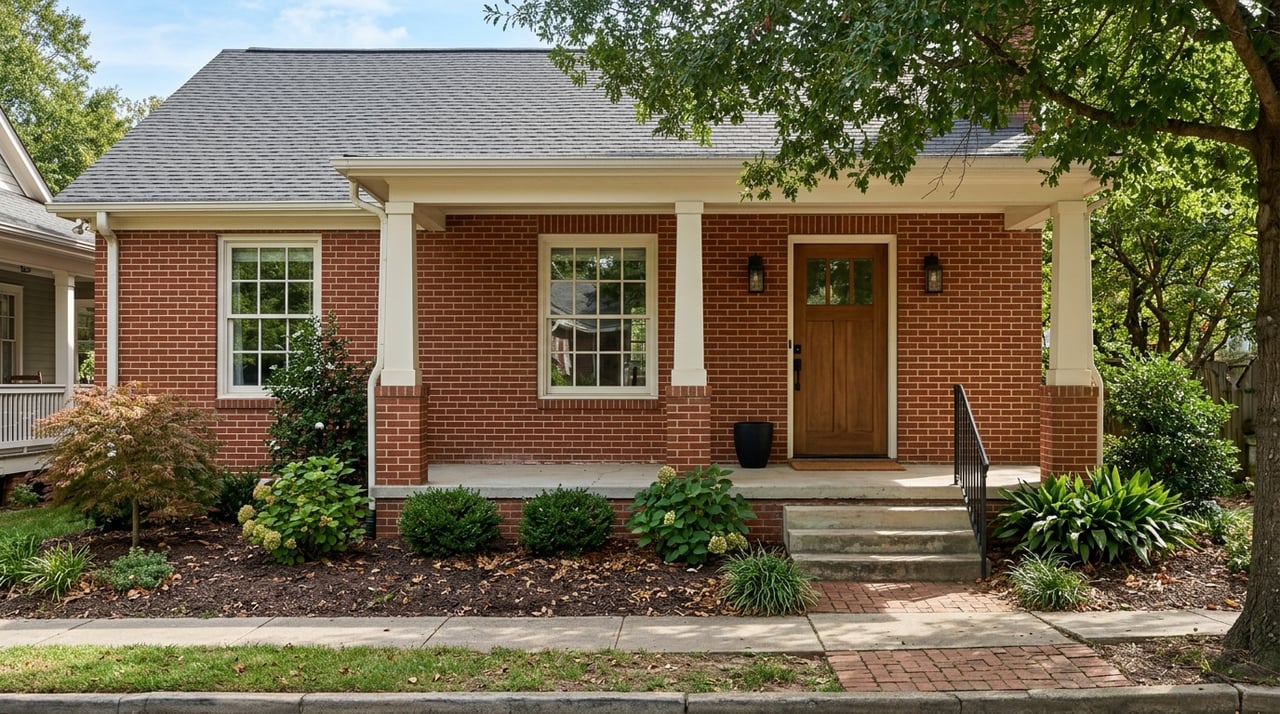
Grant Park shows the older residential side of intown housing. City descriptions reference Victorian-era mansions, small cottages, early 20th-century bungalows, narrow lots, mature trees, and an extensive sidewalk system.
Virginia-Highland’s master plan says the housing stock is mostly early-to-mid-1900s detached single-family houses, with attached apartments and commercial uses playing a secondary role. That creates a different balance than neighborhoods with more recent mixed-use growth.
Midtown’s Garden District adds yet another layer. It combines early 20th-century historic homes with mid-century apartment buildings on a compact street grid, which reflects how varied intown Atlanta can feel from one area to the next.
The Trade-Offs of Intown Living
Intown Atlanta often appeals to buyers who want walkability, neighborhood identity, and easier access to parks, trails, and local business districts. At the same time, it usually comes with standard urban trade-offs.
You may see more density, more variation in home style and lot size, and less predictability from block to block. For many buyers, that variety is a plus. For others, it means taking time to understand how one street or micro-area differs from the next.
That is why neighborhood-level guidance matters. A condo near a trail connection can offer a very different daily routine than a bungalow on a quieter residential street, even if both are considered intown.
Who Intown Atlanta Fits Best
Intown living can be a strong fit if you want your home base to connect more directly to your routine. You may value being closer to parks, restaurants, trails, transit options, and established neighborhood fabric.
It can also make sense if you are open to a wider range of housing types. Buyers looking at condos, townhouses, historic homes, or mixed-use areas often find more options intown than they would in more uniform suburban settings.
If you are weighing whether intown Atlanta fits your goals, the key is matching your daily habits to the right neighborhood. The best choice is rarely about the label alone. It is about how you want to live from Monday morning through the weekend.
If you want help comparing intown neighborhoods, understanding property types, or building a smart plan for your move, Kelli Adams can help you navigate Atlanta with clear guidance and local insight.
FAQs
What does intown Atlanta mean for daily life?
- Intown Atlanta usually means daily life is shaped by closer access to transit, parks, trails, restaurants, and neighborhood business districts rather than larger lots and longer drives.
What transportation options are available in intown Atlanta?
- Depending on the location, intown Atlanta may offer a mix of MARTA rail, bus service, the Atlanta Streetcar, walking, biking, trail access, and driving.
What parks support intown Atlanta living?
- Major examples include Grant Park, Historic Fourth Ward Park, and Westside Park, along with the BeltLine’s trail and recreation corridor.
What kinds of homes are common intown in Atlanta?
- Buyers often see a mix of detached single-family homes, condos, townhouses, apartments, and smaller multifamily buildings, with the exact blend varying by neighborhood.
What neighborhoods show different sides of intown Atlanta?
- City and planning materials highlight areas such as Old Fourth Ward, Grant Park, Virginia-Highland, Little Five Points, and Midtown’s Garden District as examples of different intown housing and lifestyle patterns.
Is intown Atlanta a good fit for buyers who want walkability?
- It can be, because many intown areas are closely connected to parks, trails, transit, and commercial corridors, though the level of walkability still depends on the specific address and neighborhood.